


What Are Carbide Rods & Their Applications? The Complete Industrial Guide
 Aug 14, 2025|
 View:970
Carbide rods represent one of the most versatile and essential materials in modern industrial manufacturing. These ultra-hard cylindrical components provide exceptional durability and precision for cutting, drilling, and machining applications across multiple industries. Understanding carbide rod properties, applications, and selection criteria helps engineers and manufacturers optimize their operations while reducing costs and improving product quality.
The global tungsten carbide market, valued at over $16 billion in 2023, continues expanding as industries demand stronger, more precise tooling solutions. Advanced powder metallurgy techniques enable precise control over material properties and performance characteristics. Manufacturing professionals recognize carbide rods as indispensable components for achieving superior performance in challenging environments.
Key Takeaways
• Carbide rods offer exceptional hardness, wear resistance, and thermal stability for industrial applications
• These components excel in cutting tools, drilling equipment, and precision machining operations
• Material selection depends on workpiece materials, operating conditions, and performance requirements
• Proper handling and maintenance extend carbide rod service life significantly
• Quality manufacturing processes determine final tool performance and reliability
Carbide Rod Fundamentals
What Is a Carbide Rod?
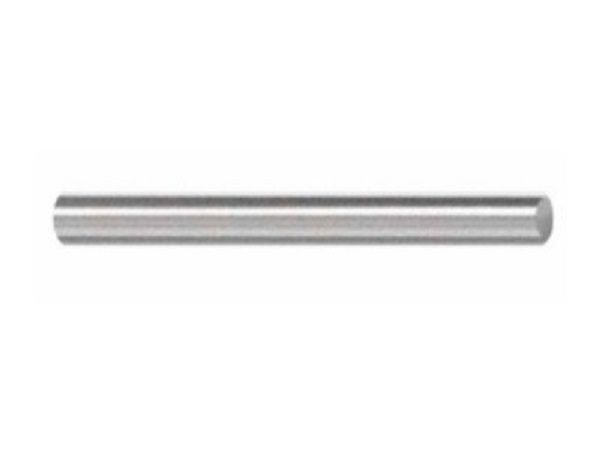
Carbide rods are precision-manufactured cylindrical components made primarily from tungsten carbide (WC) particles bonded with cobalt or other metallic binders. These solid rods serve as raw material for creating cutting tools, drill bits, end mills, and other precision components. The manufacturing process involves powder metallurgy techniques, where tungsten carbide powders mix with binding agents before pressing and sintering at temperatures exceeding 1400°C.
Industry professionals often encounter various carbide rod specifications. The table below shows common grades and their characteristics:
| Grade Type | Cobalt Content | Hardness (HRA) | Applications | Performance Features |
K10-K20 | 6-10% | 91-93 | General machining | Balanced hardness and toughness |
K30-K40 | 10-15% | 88-91 | Heavy roughing | High impact resistance |
K01-K05 | 3-6% | 93-95 | Precision finishing | Maximum hardness and wear resistance |
Submicron | 6-12% | 92-94 | Advanced applications | Superior edge quality and tool life |
These specifications help manufacturers select appropriate grades for specific applications, ensuring optimal performance and cost-effectiveness.
How Carbide Rods Work
Carbide rods function through their unique material properties. The tungsten carbide particles provide extreme hardness (approaching diamond on the Mohs scale), while the metallic binder supplies toughness and prevents brittle failure. This combination creates materials capable of maintaining sharp cutting edges under high temperatures and pressures.
The microstructure determines performance characteristics:
• Fine grain structures enhance hardness and wear resistance
• Coarser grains improve toughness and impact resistance
• Uniform distribution prevents premature failure
• Proper sintering eliminates porosity and weak points
Manufacturers benefit from these properties in several ways:
Superior cutting performance allows faster machining speeds and improved surface finishes. The hardness retention at elevated temperatures maintains tool effectiveness during high-speed operations. Chemical inertness prevents reactions with most workpiece materials, ensuring consistent results.
Recent technological advances have improved carbide rod performance significantly. Nanostructured grades offer enhanced properties, while specialized coatings extend tool life by 200-300% in many applications. Advanced manufacturing techniques now produce rods with tolerances within ±0.002 inches, supporting precision applications requiring exceptional accuracy.
Manufacturing data indicates growing demand for specialized carbide rods:
• Premium grades represent over 40% of market volume
• Custom specifications account for 25% of production
• Coated carbide rods show 15% annual growth
• Micro-grain structures dominate precision applications
When selecting carbide rods, manufacturers should consider:
Workpiece material hardness determines required carbide grade and coating selection. Operating conditions including cutting speeds, feeds, and temperatures influence material requirements. Application requirements for surface finish, dimensional accuracy, and tool life guide specification choices.
Carbide Rod Components and Specifications
Core Material Composition
Carbide rods consist of tungsten carbide particles, typically comprising 85-95% of the total composition, bonded with metallic binders such as cobalt, nickel, or specialized alloys. The tungsten carbide provides exceptional hardness ranging from 1500-2200 HV, while binders contribute toughness and prevent catastrophic failure. Grain size significantly influences performance characteristics. Ultrafine grains (0.2-0.8 microns) deliver maximum hardness and wear resistance for precision applications. Medium grains (0.8-1.5 microns) balance hardness with toughness for general-purpose use. Coarse grains (1.5-6 microns) prioritize impact resistance for heavy-duty operations.
| Component | Content Range | Primary Function | Performance Impact |
Tungsten Carbide | 85-95% | Hardness, wear resistance | Determines cutting ability and tool life |
Cobalt Binder | 5-15% | Toughness, bonding | Controls impact resistance and flexibility |
Grain Refining Agents | 0.1-1% | Microstructure control | Enhances uniformity and strength |
Special Additives | 0.1-2% | Enhanced properties | Improves specific characteristics |
Manufacturing Standards and Quality Control
Professional carbide rod manufacturers follow strict quality standards including ISO 513, ANSI B212, and industry-specific specifications. These standards define dimensional tolerances, material properties, and testing procedures ensuring consistent performance. Quality control processes include chemical composition analysis, microstructure examination, hardness testing, and dimensional verification using coordinate measuring machines.
Critical specifications include:
• Diameter tolerances typically ±0.005mm for precision grades
• Straightness deviations limited to 0.025mm per meter
• Surface finish requirements Ra 0.4 microns or better
• Porosity levels controlled below A02 classification
Surface Treatments and Coatings
Modern carbide rods often feature advanced surface treatments enhancing performance and tool life. Physical Vapor Deposition (PVD) coatings such as TiAlN, AlCrN, and diamond-like carbon (DLC) provide additional wear resistance and reduce friction. Chemical Vapor Deposition (CVD) processes create thicker coating layers suitable for heavy-duty applications. Specialized treatments include edge preparation, surface polishing, and stress relief procedures optimizing cutting performance.
Tip: Coated carbide rods typically deliver 2-5 times longer tool life compared to uncoated variants, justifying higher initial costs through reduced replacement frequency and improved productivity.
Industrial Applications and Benefits
Machining and Cutting Operations
Carbide rods excel in creating precision cutting tools for CNC machining centers, lathes, and milling machines. These applications benefit from carbide's ability to maintain sharp cutting edges at high speeds while resisting wear from abrasive materials. End mills manufactured from carbide rods achieve surface finishes below 0.8 Ra while maintaining dimensional accuracy within ±0.0001 inches. Turning tools created from these materials process hardened steels, cast irons, and exotic alloys that would quickly dull conventional tools.
Performance advantages include:
• Cutting speeds 3-10 times faster than high-speed steel
• Extended tool life reduces changeover frequency and downtime
• Superior surface finish quality minimizes secondary operations
• Consistent performance across production runs maintains quality standards
Drilling and Boring Applications
Specialized drilling applications rely on carbide rod materials for creating twist drills, step drills, and boring bars. These tools penetrate materials ranging from aluminum alloys to hardened tool steels while maintaining hole accuracy and surface integrity. Deep hole drilling operations particularly benefit from carbide's thermal conductivity, which helps manage heat buildup that could cause dimensional errors or tool failure.
Industrial data shows carbide drill bits achieve:
• 5-15 times longer life than HSS equivalents
• Drilling speeds up to 500% higher in many materials
• Hole quality improvements with better roundness and surface finish
• Reduced drilling forces lowering machine tool wear
Precision Manufacturing Tools
Industries requiring extreme precision utilize carbide rods for manufacturing gauges, fixtures, and measurement tools. Aerospace manufacturers depend on carbide components for critical dimension verification and quality control processes. Medical device production employs carbide tooling to achieve the surface finishes and dimensional accuracy required for implants and surgical instruments.
The automotive industry represents the largest consumer of carbide rod products, using them for:
• Engine component machining requiring precise tolerances
• Transmission part manufacturing with complex geometries
• Body panel forming dies and punches
• Quality control and measurement applications
Wear-Resistant Components
Beyond cutting applications, carbide rods serve as raw material for wear-resistant components in harsh environments. These include guide pins, bushings, nozzles, and wear plates exposed to abrasive materials or high-stress conditions. The oil and gas industry utilizes carbide components in downhole drilling equipment where extreme conditions demand exceptional durability.
Manufacturing professionals seeking reliable carbide rod solutions should partner with experienced manufacturers who understand application-specific requirements and can provide technical support throughout the product lifecycle.
Carbide Rod Selection and Maintenance
Choosing the Right Grade
Successful carbide rod selection requires matching material properties with application demands. Consider workpiece material hardness, cutting conditions, and required tool life when selecting grades. Harder materials benefit from finer grain structures and higher carbide content, while tougher applications need increased binder content and coarser grains.
Application-specific considerations include:
• Aluminum machining: Use sharp edge geometry with polished surfaces to prevent built-up edge formation
• Steel cutting: Select balanced grades offering hardness and toughness for versatile performance
• Cast iron operations: Choose grades with excellent thermal shock resistance
• Exotic alloys: Utilize premium grades with specialized coatings for extreme conditions
Installation and Setup
Proper installation maximizes carbide rod performance and service life. Ensure tool holders provide adequate support and minimize runout to prevent premature failure. Verify cutting parameters including speeds, feeds, and depths of cut match manufacturer recommendations. Incorrect setup can cause chipping, premature wear, or catastrophic failure.
Critical setup factors:
• Tool holder concentricity within 0.0002 inches TIR
• Appropriate clearances preventing interference
• Proper clamping forces avoiding stress concentrations
• Coolant application for heat management
Maintenance Best Practices
Regular maintenance extends carbide rod tool life significantly. Inspect cutting edges for wear, chipping, or damage before each use. Clean tools thoroughly removing chips and built-up material that could affect performance. Store tools properly in protective containers preventing damage from contact with other tools or workpieces.
Reconditioning options include:
• Resharpening: Restores cutting edges extending tool life 3-5 times
• Recoating: Applies new surface treatments refreshing tool performance
• Edge preparation: Optimizes cutting geometry for specific applications
Performance Monitoring
Track tool performance metrics including tool life, surface finish quality, and dimensional accuracy to optimize operations. Document cutting parameters and results enabling continuous improvement. Monitor power consumption and machine vibration indicating tool condition changes requiring attention.
Tip: Implement tool life management systems tracking individual tool performance, enabling predictive maintenance and inventory optimization while reducing unexpected downtime.
Modern manufacturing demands require precision tools capable of delivering consistent results under challenging conditions. Quality carbide rods provide the foundation for achieving these objectives while supporting cost-effective operations and improved productivity.
FAQ
What factors determine carbide rod tool life?
Tool life depends on grade selection, cutting parameters, workpiece material, and application conditions. Proper grade matching and optimal cutting parameters typically deliver 5-20 times longer life than conventional tooling.
How do you prevent carbide rod tool breakage?
Avoid excessive cutting forces, maintain sharp cutting edges, use appropriate speeds and feeds, and ensure proper tool holder support. Gradual tool engagement prevents shock loading that causes chipping or breakage.
Can carbide rods be resharpened multiple times?
Yes, quality carbide tools typically allow 3-8 resharpenings when performed correctly. Professional resharpening services restore original geometry and performance characteristics.
What cutting fluids work best with carbide rod tools?
Synthetic coolants, semi-synthetic fluids, and high-pressure coolant systems provide optimal heat management and chip evacuation. Avoid cutting fluids containing sulfur or chlorine that may react with cobalt binders.
How do you store carbide rods to prevent damage?
Store in protective containers preventing tool-to-tool contact. Maintain clean, dry conditions avoiding corrosive environments. Use proper handling techniques preventing drops or impacts that could cause chipping.


